Routine cottage maintenance preserves your property’s market value, prevents costly structural repairs, and guarantees that every weekend escape remains relaxing rather than labor-intensive. Owning a vacation retreat offers an ideal getaway from daily routines, but secondary properties face unique risks. Extended periods of vacancy, harsh seasonal weather, and undetected leaks can turn minor upkeep needs into major financial burdens. Implementing a structured maintenance routine protects your investment and ensures your home away from home stays safe, comfortable, and ready for use year-round.
Establishing a Proactive Seasonal Inspection Checklist
Proactive home inspections catch small vulnerabilities before they escalate into structural failures or interior water damage. Because vacation properties often sit empty for weeks at a time, hidden issues can spread unnoticed across multiple rooms or floor levels.
Conducting a thorough walk-through at the start of spring and autumn allows you to identify weather wear and aging components. Inspecting roof lines, foundation walls, window seals, and deck supports reveals early signs of rot, shifting, or seal failure. Documenting your findings during each visit helps you track repairs and prioritize seasonal upgrades effectively.
Protecting the Exterior Envelope from Environmental Wear
The exterior shell of your cottage holidays in St Ives bears the full force of changing weather conditions, high humidity, and direct sunlight. Maintaining the roof, siding, and drainage channels prevents moisture penetration and preserves structural integrity.
Inspect shingles, metal panels, and flashing after severe storms to ensure water drains away properly. Clearing pine needles leaves and organic debris from gutters and downspouts prevents roof backup and siding rot. Extending downspouts at least five feet from your foundation redirects heavy rainfall away from crawl spaces and basements.
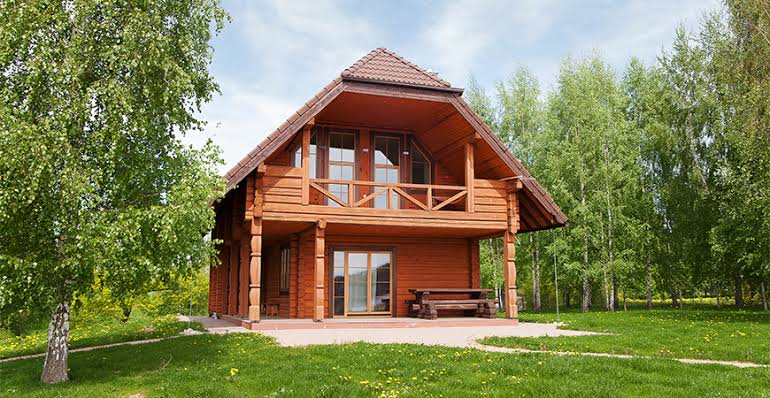
Wood siding, log facades, and outdoor decks require regular cleaning and sealing to block moisture absorption and sun damage. Applying a high-quality sealant or stain every few years shields exterior timber from cracking, warping, and fungal growth.
Managing Plumbing and Preventing Water Intrusion Risks
Water damage poses the greatest single threat to vacant secondary homes, often resulting from frozen pipes, failing water heaters, or small supply line leaks. Safeguarding your plumbing system eliminates catastrophic flooding risks during freezing conditions or long absences.
In cold climates, complete winterization is mandatory before freezing temperatures arrive. Draining the water heater, blowing out supply lines with compressed air, and adding non-toxic antifreeze to sinks, toilets, and floor drains protects pipes from bursting.
Installing smart water shut-off valves and leak detectors provides real-time monitoring through mobile notifications. Setting up automated shut-off systems cuts off the main water supply instantly if unusual flow or pressure changes occur while you are away.
Pest Prevention Strategies for Vacant Properties
Insects and small mammals seek shelter in quiet, unoccupied buildings, causing damage to insulation, electrical wiring, and structural framing. Keeping pests out requires closing entryway gaps and eliminating potential food sources.
Seal cracks around foundations, utility entrances, and fascia boards using expanding foam, wire mesh, or exterior silicone caulk. Inspect chimney caps and attic vents to ensure screens remain intact against nesting birds, squirrels, and raccoons.
Never leave non-perishable foods or pet treats in open pantries during extended absences. Storing dry goods in airtight glass or heavy plastic containers prevents rodents from discovering food sources. Clean countertops, vacuum floors, and empty all trash cans before locking up.
Landscaping Defenses and Tree Care Maintenance
Surrounding foliage enhances privacy and natural beauty, but overgrown trees and dense underbrush present fire and storm risks to cottage structures. Managing your landscape keeps your property safe from falling branches and encroaching roots.
Trim tree limbs away from roof lines, power lines, and siding to prevent wind friction and leaf accumulation. Dead or diseased trees pose severe falling hazards during high winds and should be removed promptly by certified arborists.
Maintain a clear defensible zone around your home by clearing dry brush, dead leaves, and stacked firewood away from wooden walls. Keeping ground cover neatly trimmed reduces tick habitats and deters wildlife from nesting near entry points.
Conclusion
Keeping your vacation home in top condition requires consistent attention, organized seasonal planning, and proactive repairs. Protecting your cottage against water damage, structural wear, pest intrusion, and harsh weather preserves its market value and extends its lifespan. Following a comprehensive maintenance routine prevents unexpected repair bills and ensures your getaway remains a welcoming, worry-free sanctuary for family and friends every time you step through the door.